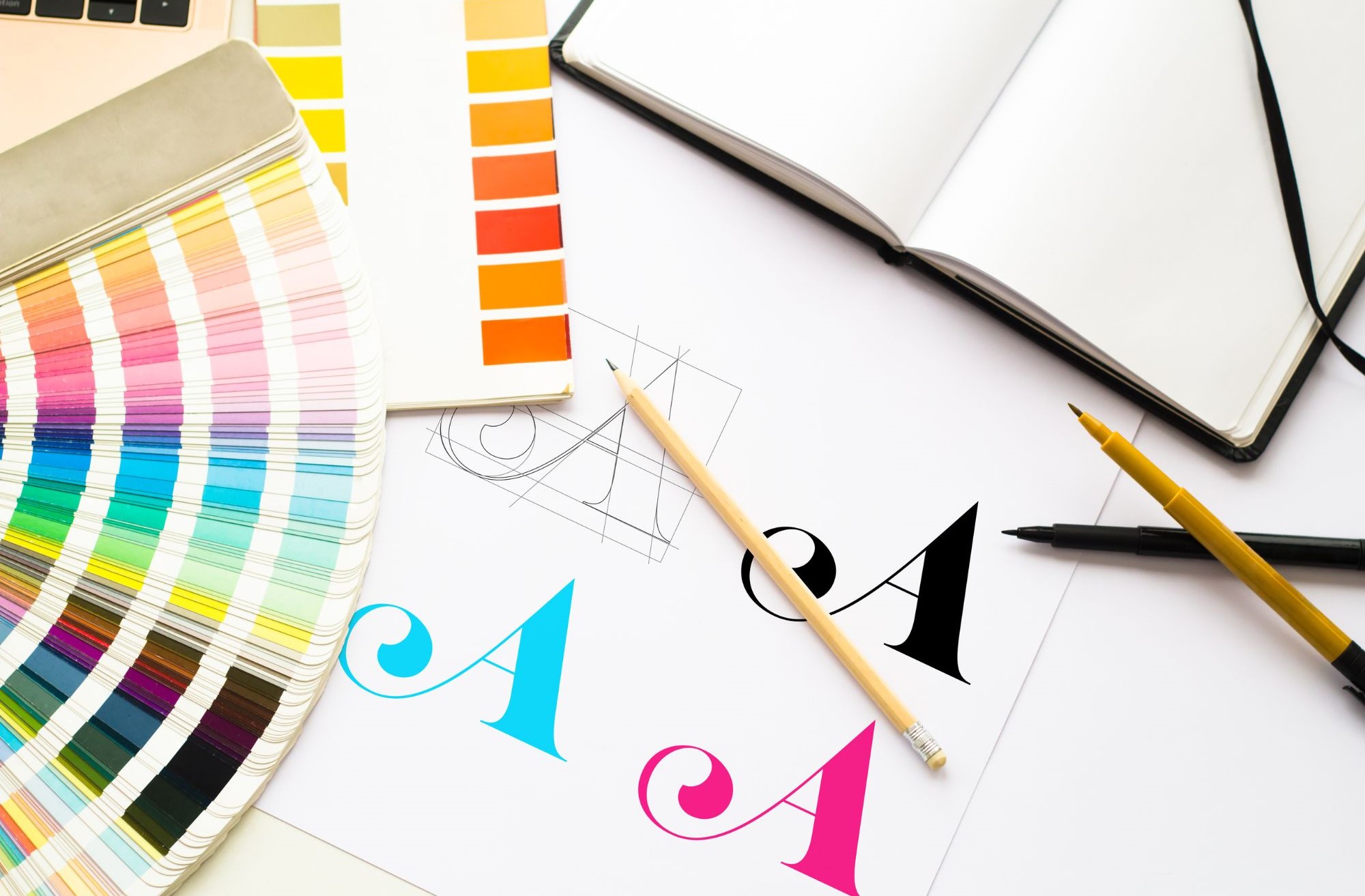

In the world of marketing and branding, the choice of colors
is far from arbitrary. It's a carefully considered strategy known as color
psychology, and it plays a pivotal role in how logos and brands are perceived.
Colors have the power to evoke emotions, shape perceptions, and influence
consumer behavior. In this article, we'll delve into the psychology of colors
in logos, exploring how different hues impact our thoughts, feelings, and
actions.
The Power of Color Psychology
Color psychology is the study of how colors affect human
behavior, mood, and decision-making. It's a field that has been leveraged by
marketers, designers, and psychologists to understand how color choices can
convey meaning and elicit specific responses.
In logo design, color psychology is a fundamental
consideration. Logos are visual representations of brands, and they serve as
the first point of contact between a company and its audience. Colors in logos
can communicate a brand's personality, values, and even influence purchasing
decisions.
Red: The Color of Passion and Action
Red is a color that demands attention. It's associated with
passion, love, and energy. When used in logos, red can evoke excitement and
stimulate the senses. It's no surprise that many food and beverage brands, such
as Coca-Cola and McDonald's, incorporate red into their logos to create a sense
of urgency and appetite.
However, red isn't just about passion; it's also the color
of warning and danger. Brands like CNN and Netflix use red to capture viewers'
attention and convey a sense of urgency in breaking news or binge-watching.
When using red, it's essential to consider the context and message you want to
convey.
Blue: Trust, Stability, and Serenity
Blue is one of the most universally loved colors. It's
associated with trust, stability, and reliability. Brands like Facebook, IBM,
and Ford use blue in their logos to convey a sense of security and
dependability.
Blue is also linked to calmness and serenity, making it an
ideal choice for healthcare brands like Pfizer or tech companies like Intel.
It's a color that suggests efficiency and professionalism.
Yellow: Sunshine and Optimism
Yellow is the color of sunshine, joy, and optimism. It
radiates positivity and is often associated with happiness. Brands like
McDonald's and IKEA use yellow in their logos to create a sense of cheerfulness
and friendliness.
However, yellow can also be attention-grabbing and is often
used to highlight important information. When overused, it can be overwhelming,
so it's crucial to strike the right balance.
Green: Nature, Growth, and Health
Green is synonymous with nature, growth, and health. It's
the color of freshness and vitality. Brands in the health and wellness
industry, such as Whole Foods and Subway, often use green in their logos to
convey a message of well-being and sustainability.
Green is also associated with money and wealth, making it a
common choice for financial institutions and investment companies. It suggests
stability and prosperity.
Purple: Luxury, Creativity, and Royalty
Purple is the color of luxury, creativity, and royalty. It's
often used by high-end brands to convey sophistication and elegance. Companies
like Cadbury and Hallmark use purple in their logos to create a sense of
exclusivity.
Purple also stimulates creativity and imagination, making it
a suitable choice for brands associated with artistic or innovative endeavours.
Orange: Energy and Enthusiasm
Orange is a color that exudes energy and enthusiasm. It's
vibrant and attention-grabbing, making it a popular choice for brands in the
entertainment and sports industries. Brands like Nickelodeon and Fanta use
orange to create excitement and fun.
Orange is also associated with affordability, making it a
suitable choice for brands that want to convey value for money.
Black: Elegance and Sophistication
Black is a color that signifies elegance, sophistication,
and timelessness. It's often used by luxury brands like Chanel and Rolex to
create a sense of exclusivity and prestige.
Black is also a symbol of power and authority, which is why
it's commonly used in logos for high-end fashion, technology, and automotive
companies.
White: Purity and Simplicity
White is the color of purity, simplicity, and clarity. It's
often used in healthcare and tech logos to convey a sense of cleanliness and
innovation. Brands like Apple and Nike incorporate white into their logos to
create a minimalist and modern look.
White also represents neutrality and can be paired with
other colors to create contrast and balance in a logo design.
The Importance of Color Consistency
Consistency is key when it comes to color in logo design.
Once you've chosen the colors that align with your brand's personality and
message, it's essential to use them consistently across all marketing materials
and touchpoints.
Consistency builds brand recognition and trust. When
customers see your logo's colors consistently used on your website, social
media, packaging, and advertising, it reinforces your brand's identity and
makes it more memorable.
Conclusion
The psychology of colors in logos is a powerful tool in the
world of branding and marketing. The colors you choose for your logo can evoke
specific emotions, shape perceptions, and influence consumer behavior. By
understanding the meanings and associations of different colors, you can make
informed choices that align with your brand's values and objectives.
Ultimately, the goal of using color psychology in logo
design is to create a visual identity that resonates with your target audience,
communicates your brand's essence, and leaves a lasting impression. When used
thoughtfully and consistently, colors can be a driving force behind your brand's
success.